
S C I E N T I F I C C A S E S T U D Y
ITGB3-Mediated T-Cell Trafficking
in Multiple Sclerosis
A 120-second scientific animation translating doctoral research into a mechanism anyone can understand.
Scientific Advisor: Dr. Giselle Vela, PhD — Molecular Biology in Medicine
T H E R E S U L T
An animation that translates a mechanism from doctoral research into something a neurologist and a non-specialist can watch together, and both understand.
“Their ability to develop 3D biomedical animations is outstanding, representing complex processes clearly and precisely. The material they created for my project exceeded my expectations and added real value to communicating my results.”
— Dr. Giselle Vela, PhD, Molecular Biology in Medicine
T H E C H A L L E N G E
Multiple sclerosis affects nearly 3 million people worldwide. Dr. Vela's doctoral research pointed to a specific mechanism: how activated immune cells cross the blood-brain barrier. That mechanism is what this animation visualizes.
T H E S C I E N C E — T H R E E K E Y M O M E N T S
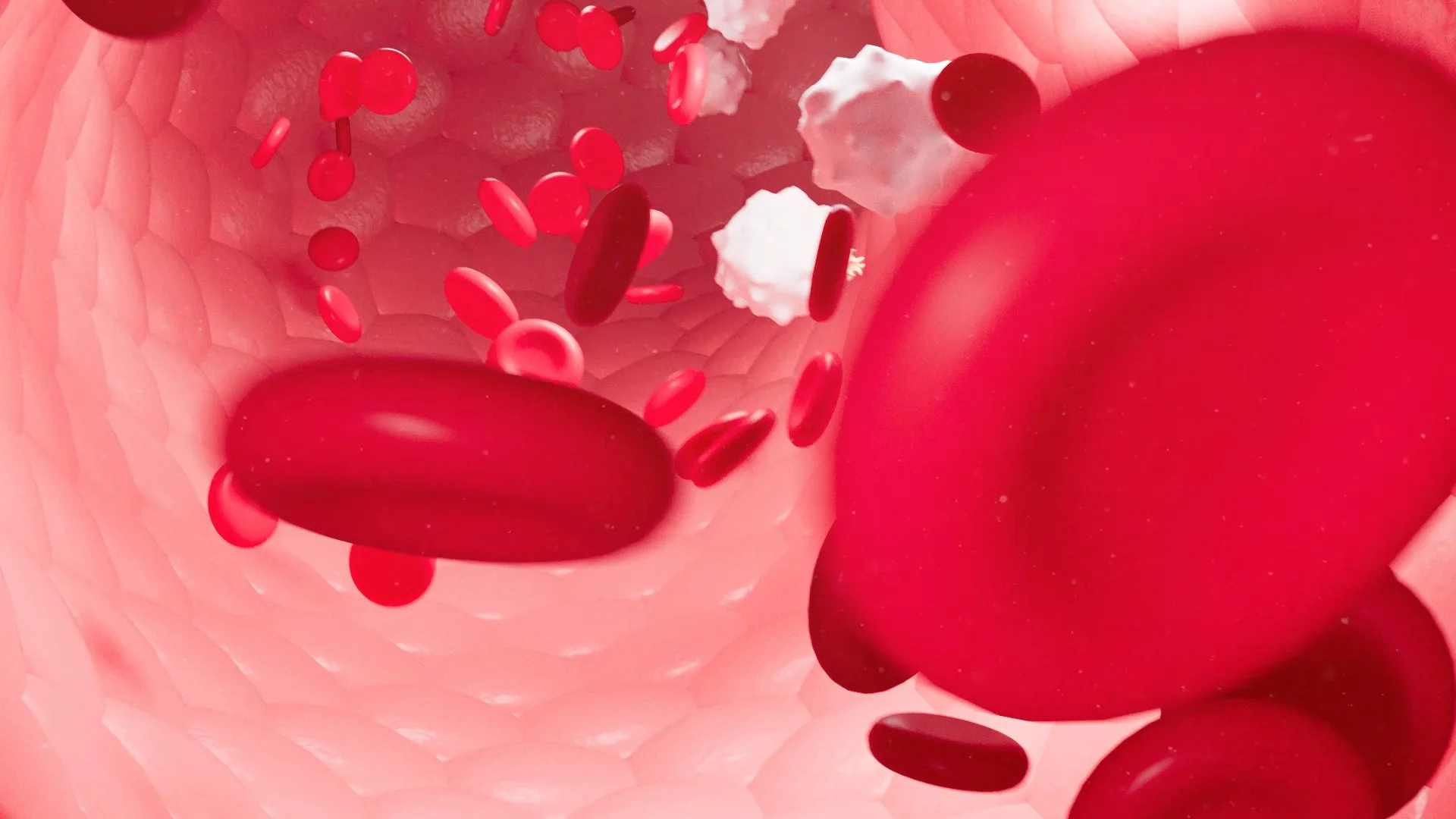
The compromised barrier.
One of the body's most selective structures, until MS compromises its permeability, opening the door for immune cells to enter the CNS.
T H E K E Y D I S C O V E R Y — I T G B 3
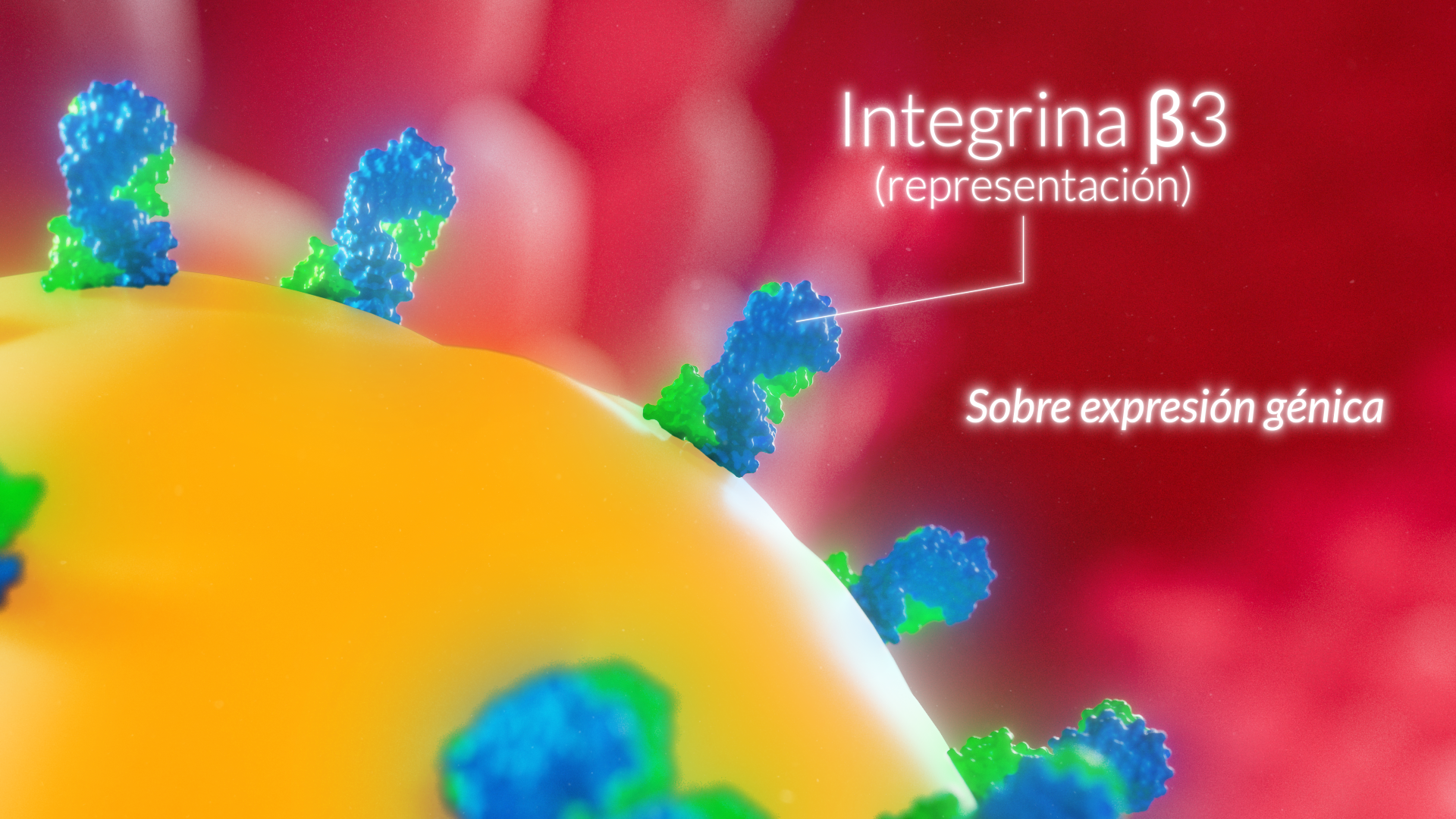
Significant overexpression of the ITGB3 gene in these T-cells, a change that may be associated with surface alterations enhancing adhesion and facilitating diapedesis into the CNS.
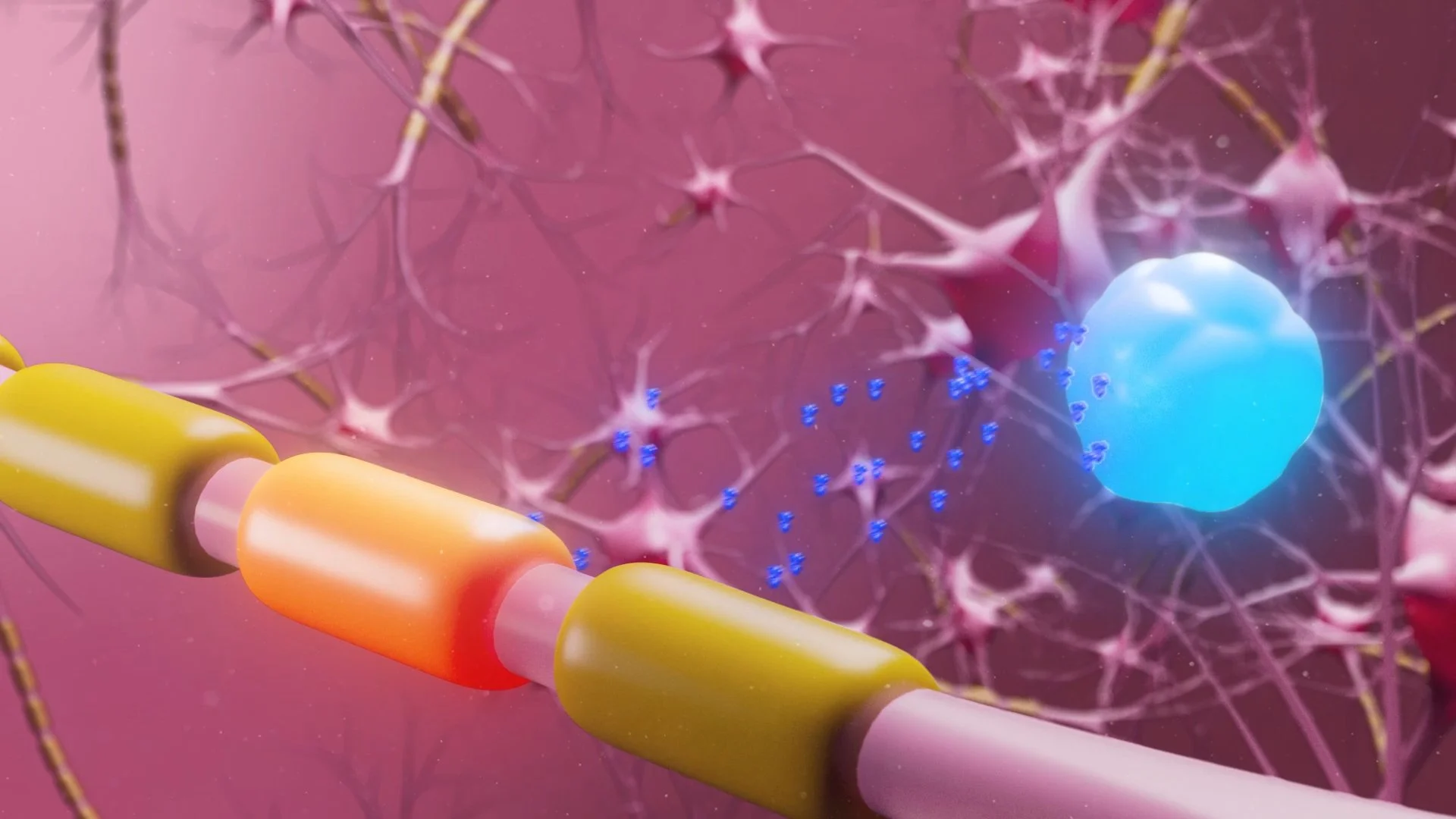
Molecular mimicry and damage.
One of the mechanisms proposed in MS: the immune system may misidentify myelin as viral protein and attack it, disrupting neuronal communication.
ALSO VISUALIZED IN THE ANIMATION
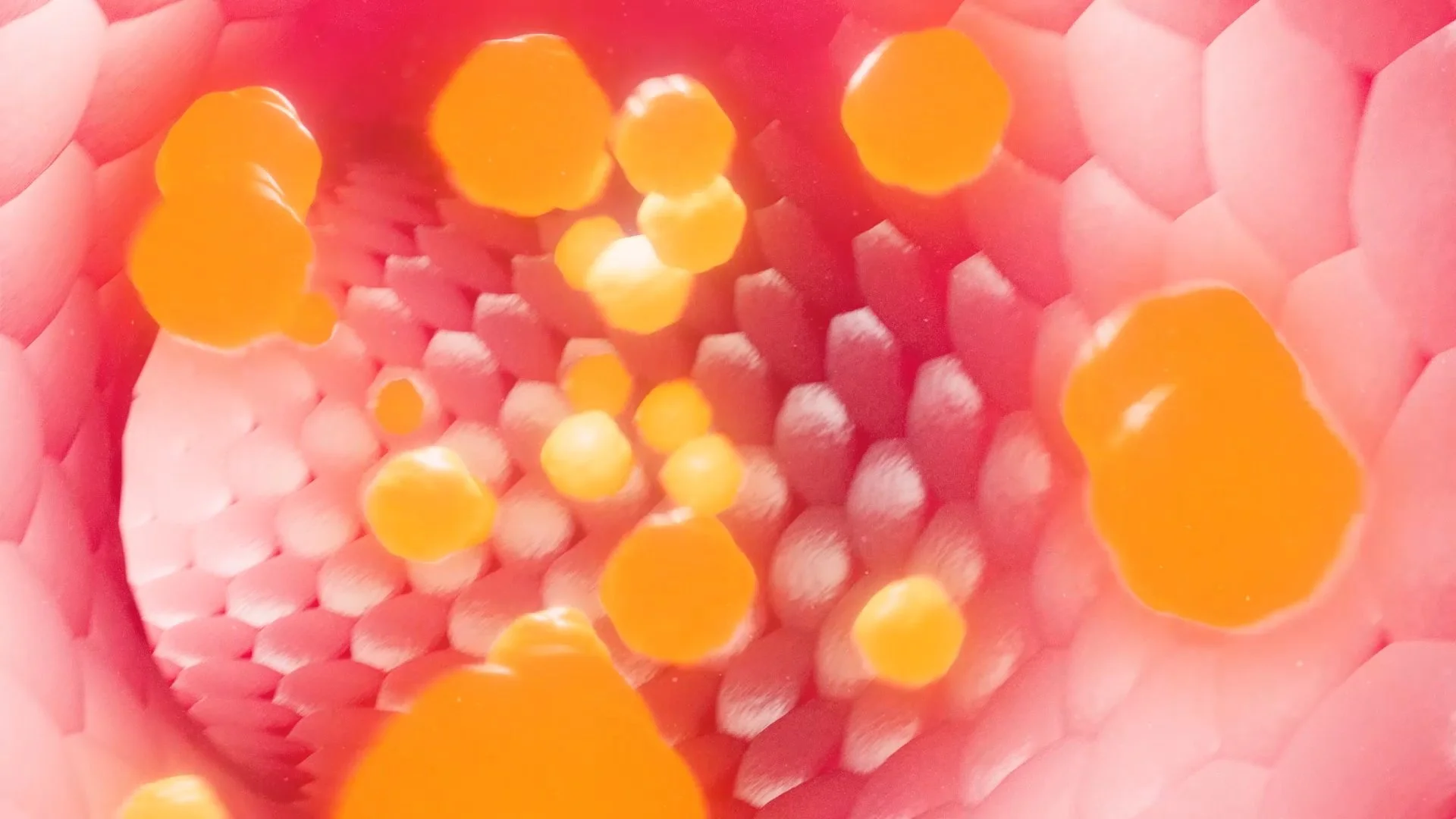
EBV & T-cell activation
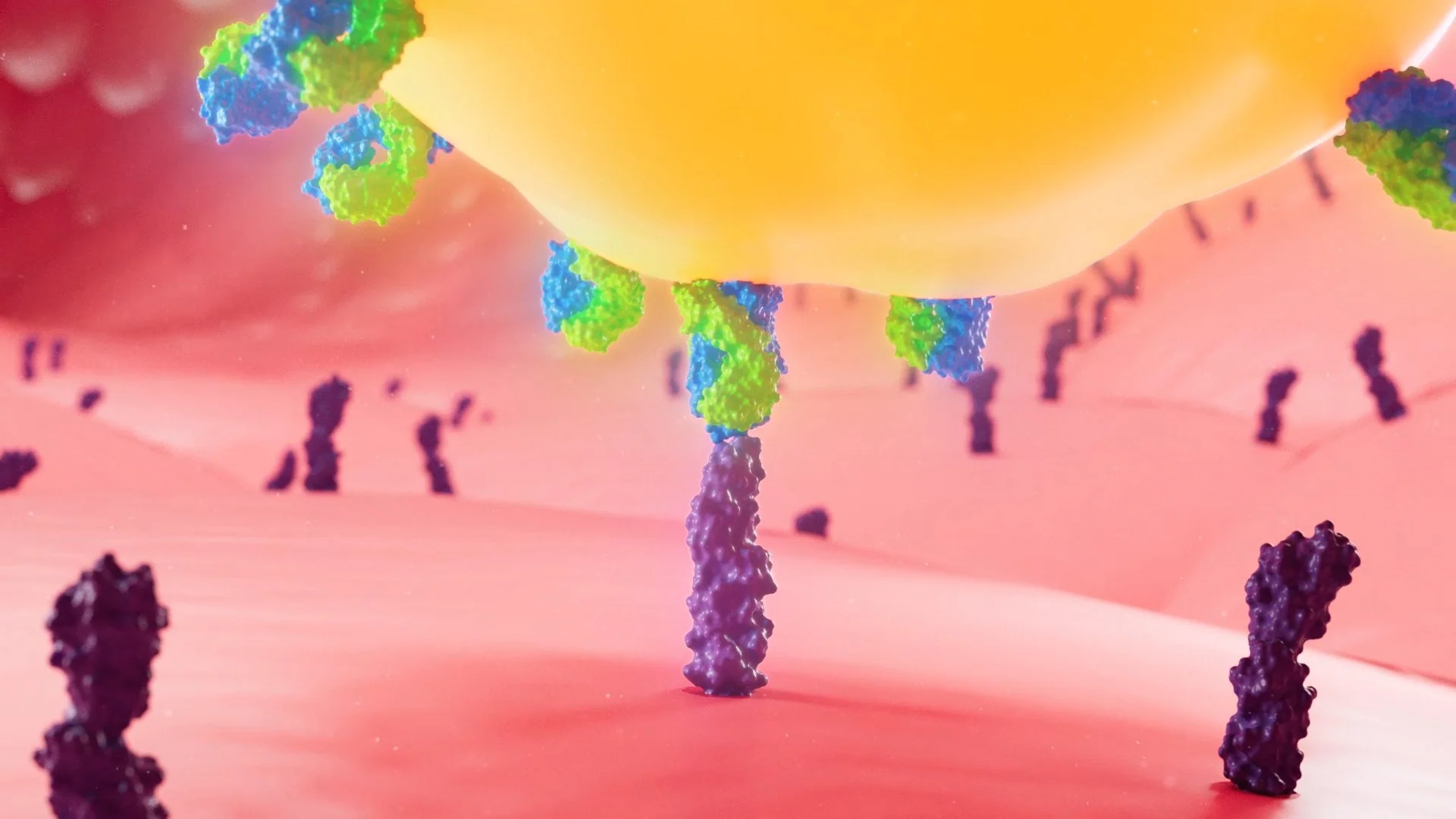
Adhesion to endothelium
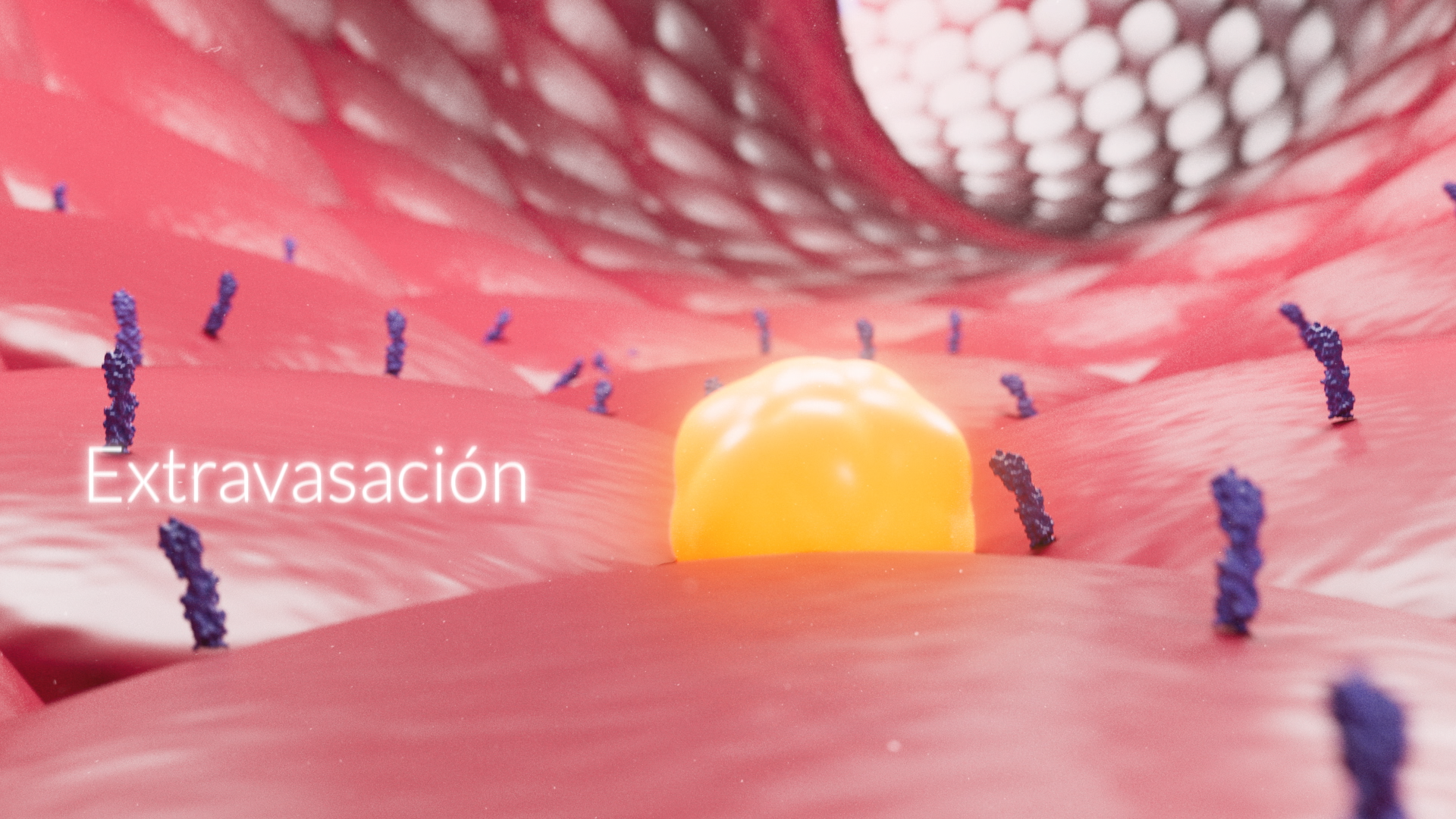
Diapedesis
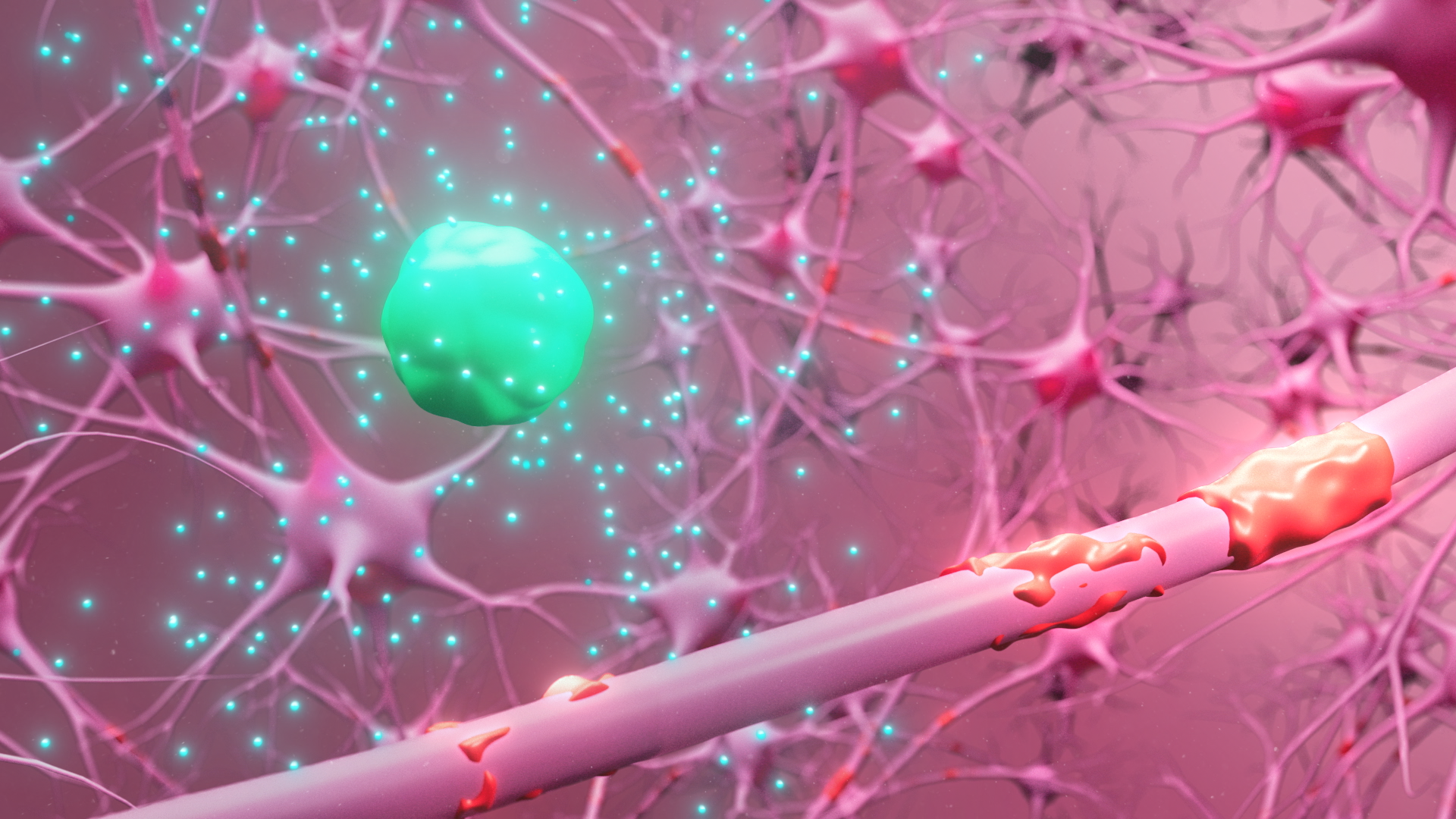
Regulatory T-cells
T H E P R O D U C T I O N A P P R O A C H
Built from scientific reference, not stock assets. The color system was designed for clarity, consistent across the full 120 seconds.